
Skin & facials
PRP Facials in Bracknell
Platelet-rich plasma concentrated from your own blood and returned to your skin — for texture, fine lines and firmness. £170 for a one-hour appointment, with the evidence explained honestly before you book.
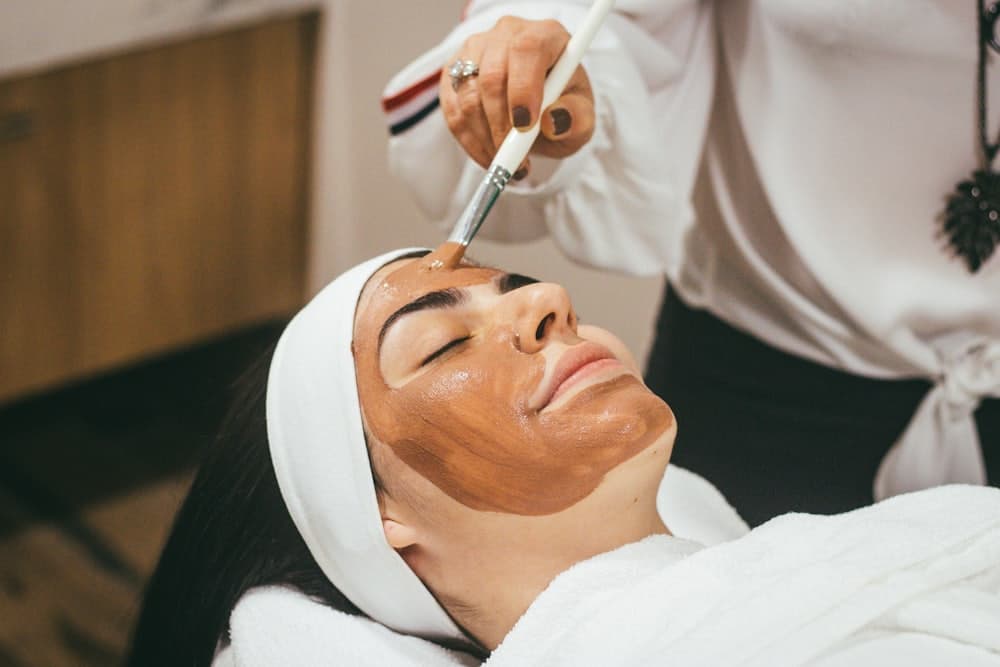
PRP is the only treatment on this menu where the active ingredient is you. There is no filler, no toxin and no bought serum. A small amount of your blood is drawn, spun down to concentrate the platelets and plasma, and that concentrate goes back into your skin.
The British College of Aesthetic Medicine describes the process without any of the mystique: blood is taken, usually from the arm, and placed in a centrifuge that spins quickly to separate the platelets and plasma from the other components of the blood. That concentrated solution is then returned to the treatment area, where the growth factors and proteins in it aid the skin’s own healing. It started out in sports medicine, healing injuries, long before it arrived in aesthetics.
What a PRP facial helps with
BCAM’s patient guidance points at skin quality rather than shape:
- Fine lines and wrinkles — softening the texture they sit in, rather than freezing movement.
- Scarring — including the uneven texture left behind by old acne.
- Hyperpigmentation — patchy tone and sun-related pigment.
- Firmness and tone — through increased collagen production over a course.
- No allergy risk — nothing foreign is introduced, so there is nothing to react to.
- Skin that has simply gone flat — dull, tired, lacking bounce.
What it will not do is add volume or relax a muscle. A flat cheek or a soft jawline needs dermal filler; a frown line that deepens when you move needs anti-wrinkle injections. Be wary of anyone selling PRP as a non-surgical face lift — it is a skin treatment, and a skin treatment is a different thing entirely.
Being straight with you
What the evidence does and doesn’t show
PRP has been marketed harder than almost anything else in aesthetics, so here is the part most pages leave out. A 2024 umbrella review published in Blood Transfusion gathered up thirteen systematic reviews of PRP for facial rejuvenation, covering 28 individual studies — eighteen of them uncontrolled. Only one of the thirteen reviews was able to pool results statistically, and it found higher patient satisfaction when PRP was used alongside another treatment rather than on its own, on low-certainty evidence. The reviewers rated confidence in twelve of the thirteen reviews as low or critically low, and concluded that the available evidence is insufficient to draw firm conclusions about PRP for facial rejuvenation.
That is not the same as saying it does nothing. It means the research is thin, mostly uncontrolled, and nowhere near as settled as the marketing implies — and that the clearest signal in it is for PRP as an adjunct, used alongside something else, which is how it is most often done in practice. If a clinic promises you a guaranteed transformation from PRP, they are ahead of the evidence.
The second honest point is the commitment. BCAM’s guidance is that a course of at least four to six treatments is usually recommended, with maintenance at least twice a year afterwards. At £170 a session, that is a considered decision rather than an impulse booking, and it is worth having the conversation before you start. For some skins, a course of microneedling at £200 for three sessions, or one Profhilo course, is the better use of the same money — and Safina would rather tell you that at the consultation than take the booking.
What you actually get
An hour, start to finish
A PRP appointment here is £170and takes an hour, and that hour covers more than the treatment itself: the consultation checks, the blood draw, the time in the centrifuge, your skin prepared and cleansed, the plasma applied, and the skin calmed and protected before you leave. Exactly how the plasma is worked into the skin, and which area is treated, is agreed with you at your consultation — PRP is commonly combined with needling so the plasma reaches fresh channels, which is also the pairing the research points at.
One clarification worth making plainly, because it decides whether this page is for you: the PRP here is a skin treatment for the face. PRP for hair restoration is a different proposition in regulatory terms — the Joint Council for Cosmetic Practitioners’ 2026 guidance treats hair PRP as a medical procedure carrying additional legal and regulatory requirements — and it is not offered here. If hair is your concern, start with your GP or a medical hair clinic.
If you would rather not have a blood draw at all, the same part of the menu offers routes to similar ground without one: microneedling provokes the same collagen response mechanically, a chemical peel resurfaces tone and texture, and polynucleotides are an injectable skin booster for thin, crepey and under-eye skin. Our guide to Profhilo vs fillers sets out where skin-quality treatments sit against volume treatments if you are still weighing the two.
In the treatment room
One practitioner, one private studio
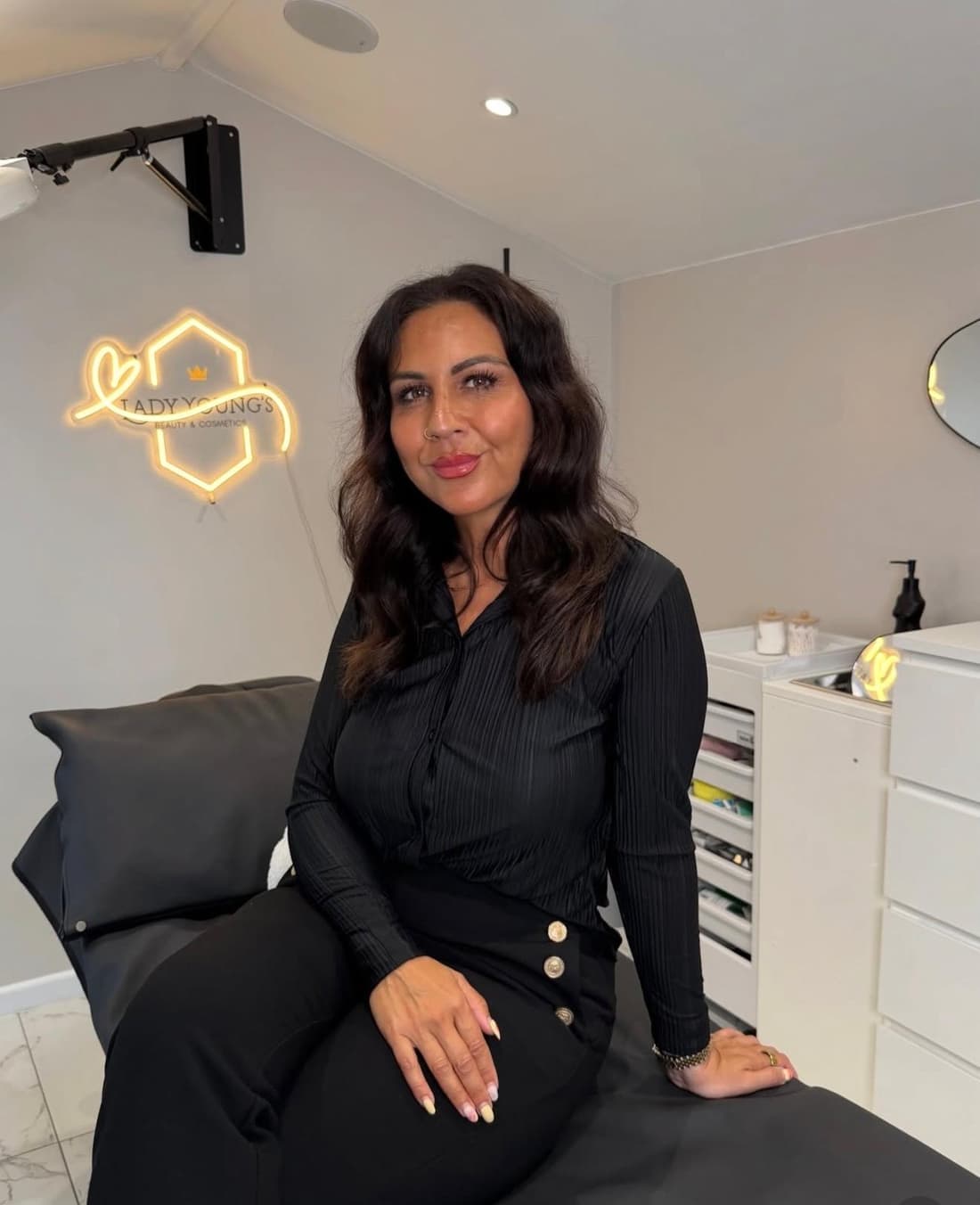
For a treatment that involves your own blood, who is in the room matters more than usual. Safina consults, draws, prepares and treats — in her own private studio, with unhurried appointments and nobody handed between staff mid-course.
What to expect
Your appointment, step by step
Consultation first
Safina looks at your skin, asks about your medical history, medication and any blood conditions, and tells you whether PRP is genuinely the right tool — and how many sessions it would realistically take. If a course of microneedling or a skin booster would serve you better for the same money, you will hear that.
The blood draw
A small sample is taken, usually from the arm, exactly as it would be for a blood test. This is the part people worry about most and it is over in a minute or two.
Spun and separated
The sample goes into a centrifuge, which spins to separate the platelets and plasma from the rest of the blood. What comes out is a small volume of concentrated plasma, ready to go back into your skin while it is fresh.
Returned to the skin
Your cleansed skin is treated with the plasma across the area agreed at consultation. The whole appointment is an hour, including the preparation, the spin and the finish.
Calmed, protected and planned
The skin is soothed and given sun protection before you leave, with written aftercare. If you are doing a course, your next session is spaced properly rather than squeezed in.
Afterwards
Downtime, aftercare and who it isn’t for
Expect to look flushed rather than untouched. BCAM lists slight stinging, redness, swelling and possible bruising afterwards, settling after a few days, and notes that some discomfort during the procedure is normal and varies with the area treated and your own pain threshold. Keep your skin simple for a few days — no acids, retinol or scrubs, SPF every morning without fail, and hands off. Book it with a quiet evening after it, not the morning of a wedding; our bridal beauty timeline sets out how far ahead a skin course needs to start.
It also is not for everyone, and that matters more than a booking. Because the plasma is your own, BCAM describes PRP as generally regarded as safe and free from the risk of an allergic reaction — but it lists abnormal platelet function and certain blood disorders as reasons not to have it, and notes that infection, tissue damage and nerve injury can occur where the treatment is not carried out by an experienced professional. Tell Safina about any blood condition, any clotting disorder and every medication you take — blood thinners especially. Your consultation exists to catch exactly this.
Before you book — here or anywhere
Ask how your blood is handled
PRP is the one aesthetic treatment where your own blood leaves your body, sits in a tube and comes back. That makes hygiene and equipment the whole ball game, and it is a fair thing to ask about anywhere you book.
It is not a theoretical worry. In April 2024 the US Centers for Disease Control and Prevention published an investigation into presumptive HIV transmission linked to PRP microneedling facials at an unlicensed New Mexico spa — its first investigation to associate HIV transmission with non-sterile cosmetic injection services. Investigators found unlabelled tubes of blood on a kitchen counter and in a fridge alongside food, unwrapped syringes in drawers, and no autoclave on the premises. The failure was not the treatment; it was the handling.
In the UK, the Joint Council for Cosmetic Practitioners published guidance on PRP in aesthetic procedures in 2026 (a large PDF) setting out what good practice looks like: centrifuges and blood-collection tubes should be MHRA-registered medical devices used as intended, blood collection should comply with the Blood Safety and Quality Regulations 2005, and practitioners should be able to demonstrate training, competence, infection-control procedures and emergency protocols. Those are good questions to put to any clinic before a needle goes anywhere near you.
The general checks apply too. The NHS guide to choosing who will do your procedure advises asking what qualifications and training a practitioner holds, how many of these they have done and whether they are insured. At Lady Young’s the same person does your consultation and your treatment: Safina has sixteen years in the beauty industry, holds a Level 5 Ofqual qualification in aesthetics and is fully insured — there is more on the about page, and what clients say is on the reviews page.
Pricing
PRP facial prices
PRP is £170 for a one-hour appointment. There is no published course price, so if you decide on a course it is simply booked session by session — which also means you can stop whenever you want to. The two rows beneath it are the nearest alternatives on the same menu, shown so you can compare before you commit.
PRP (platelet-rich plasma)1 hr
Your own plasma, prepared and returned to the skin
£170
Microneedling1 hr
Collagen induction without a blood draw; course of 3 for £200
from £75
Profhilo (two-session course)30 min each
Injectable hyaluronic-acid skin booster; £200 for a single session
£380
Prices are correct at the time of publishing and are confirmed at your consultation. Some treatments start from the price shown and vary with the amount of product used or the area treated.
PRP sits on the wider facials and skin treatments menu alongside dermaplaning, chemical peels, glass facials and microneedling. If you are not sure which of them your skin actually needs, book a consultation and ask — that is what it is for.
Your questions
PRP facial FAQs
You might also like
Related treatments & guides
Facials & Skin Treatments
The full menu — dermaplaning, peels, glass facials, microneedling and skin boosters.
View skin menuMicroneedling
The same collagen response without a blood draw — from £75, or three sessions for £200.
Learn moreProfhilo
An injectable skin booster for crepey, dull, dehydrated skin — two sessions, four weeks apart.
Learn moreGuide: Profhilo vs fillers
Skin quality or volume — which one your concern actually needs.
Read the guideBook your appointment
Ready when you are
Every treatment starts with an honest, no-pressure consultation. Book online in a few taps, or get in touch with any questions.
Call 07500 503034 · Bracknell, Berkshire