Aesthetics · Dermal filler
Non-Surgical Rhinoplasty in Bracknell
A bump softened, a tip supported, a profile balanced — with hyaluronic-acid filler rather than surgery. £250, 45 minutes, and the full risk conversation before you commit, because the nose is not an area to be casual about.
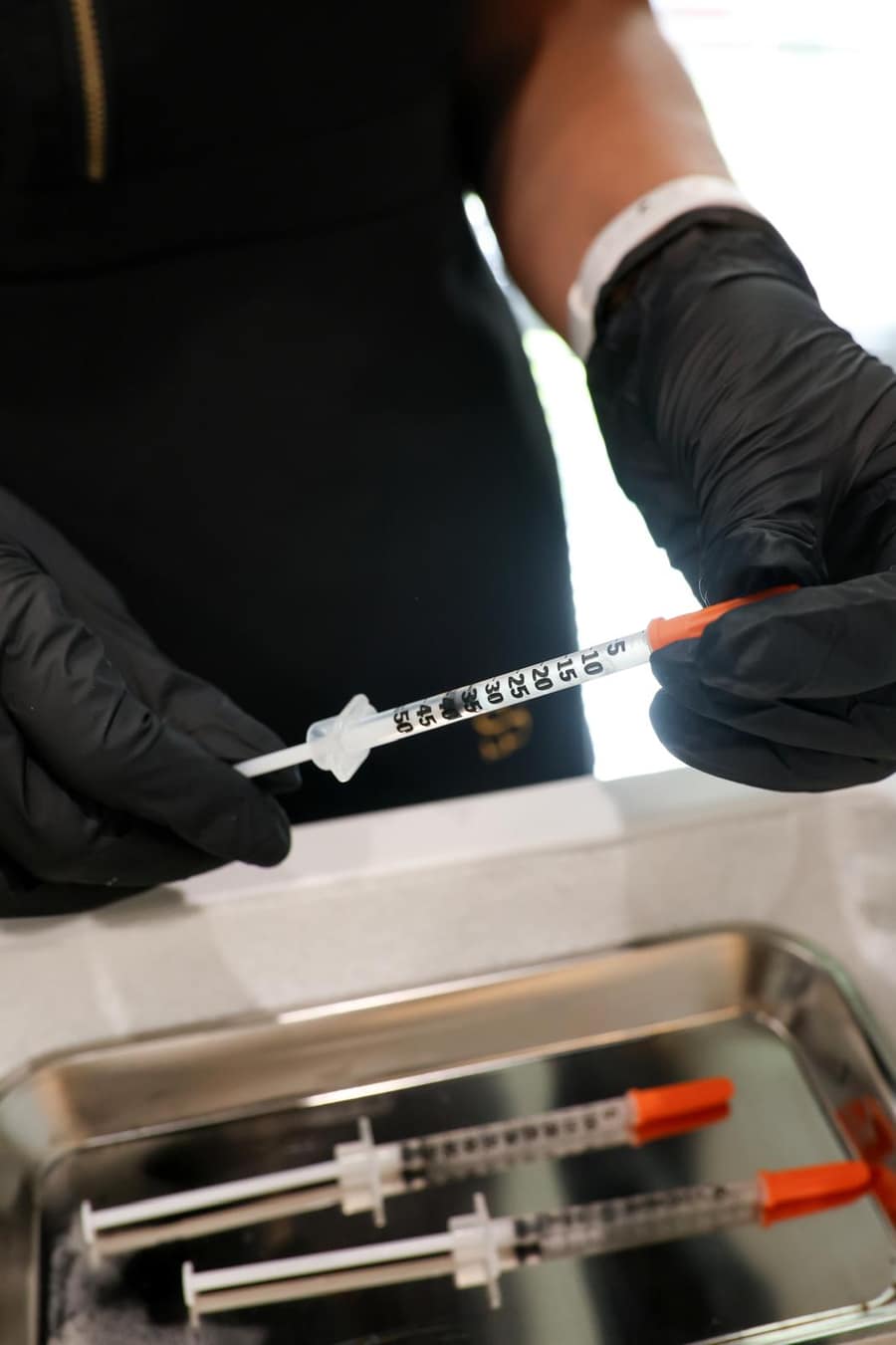
A non-surgical rhinoplasty — the “liquid nose job” — is hyaluronic-acid dermal filler placed in small amounts to change the shape your nose appears to be. No cutting, no general anaesthetic, no week off work: 45 minutes, £250, and you leave with the result already visible.
It is also the most exacting treatment on this price list, and this page is written accordingly. Below is what filler can honestly do to a nose, what it cannot, and the one genuine risk that sets this area apart from every other injectable on the menu — with the research behind it, so you can weigh it up yourself rather than take anyone’s word for it, ours included.
What filler can change — and what it cannot
Filler only ever adds. That single fact decides everything this treatment is good at and everything it is useless for. A non-surgical rhinoplasty works by camouflage: building a little height in the right places so the eye reads a straighter, more balanced shape.
- A dorsal bump. Adding height above and below a bump flattens the line of the profile, so the bump stops being the first thing you see.
- A drooping or downturned tip. A small amount of support can change how the tip sits — the concern the pixie tip nose lift is aimed at on its own, at £175.
- A slight deviation. Filler cannot move a nose, but careful placement can make a mild bend look straighter from the front.
- Profile balance. A nose rarely sits in isolation. Sometimes the better answer is a little chin filler from the dermal filler menu rather than anything in the nose at all, because a recessed chin was what made the nose look prominent.
Now the other half, and it is the half most clinic pages skip. Save Face, the Professional Standards Authority-accredited register, states that the treatment cannot make the nose smaller, cannot address breathing problems, and cannot correct trauma-related concerns after a broken nose. Filler makes a nose slightly bigger in order to make it look better proportioned. If what you want is less nose, or you cannot breathe through one side, the right appointment is with a surgeon — and you will hear that here rather than be quietly booked in.
What to expect
Your appointment, step by step
Consultation, and a straight answer about whether to do it
Safina looks at your nose from the front and in profile and asks what specifically bothers you — the bump, the tip, the way it looks in photographs from one side. You will also be asked about previous surgery, fractures, any filler you have had elsewhere on your face, and your medical history. This is the appointment where you find out whether filler can give you what you are picturing, or whether the honest answer is a surgical opinion or nothing at all.
Numbing, and a plan drawn before anything is injected
The area is numbed with cream first, and the filler itself contains a local anaesthetic. Where the product is going, how much, and in what order is decided before the needle comes anywhere near you, because the nose is not an area to improvise in.
Small amounts, placed slowly, checked as it goes
Filler is placed in small deposits rather than one large one, worked slowly, and reviewed in the mirror as the shape builds. Conservative volume on a nose is deliberate rather than timid: you can always add a little at a review, and almost every nose that looks overdone had too much placed in one sitting.
Two weeks, then judge it
You will see the change immediately, and you will also swell. Expect some puffiness and the occasional bruise for a few days. The shape worth judging is the one at about two weeks, which is also when any refinement should be discussed — not on day three.
Being straight with you
Why the nose is the riskiest area on the face to inject
Most pages selling this treatment call it a fifteen-minute nose job and move straight on to the before-and-afters. We would rather give you the actual picture, because it is the reason this treatment sits behind a consultation here.
Start with the reassuring evidence, because it is real. A 2024 systematic review in Aesthetic Plastic Surgery pooled 3,928 patients across 23 studies. Satisfaction was high throughout, the nasal tip was the area most commonly treated, a dorsal hump was the most common reason people came, and across all of those patients eight developed a major complication. An earlier review in the Journal of Cosmetic Dermatology found average satisfaction above 90% across eleven studies, with swelling, redness, injection pain and bruising as the usual temporary effects.
Then the part that matters. The UK guideline on managing filler-induced vascular occlusion (Murray, Convery, Walker and Davies, published in the Journal of Clinical and Aesthetic Dermatology in 2021) classes the nose, glabella and forehead as “very high” risk zones, because of the connections between the arteries supplying the face and those supplying the eye and brain — where, as the authors put it, “blindness and stroke are both possible”. And in a 2024 review in the Aesthetic Surgery Journal of published cases of blindness caused by filler, the 365 cases recorded between September 2018 and March 2023 named the nose as the injection site in 40.6% — ahead of the forehead at 27.7% and the glabella at 19.0%. Of the cases that reported an outcome, 68.2% had no recovery of vision at all.
Hold both sets of numbers together, because both are true. Across thousands of treated patients, serious harm is rare. But when filler does cause blindness, the nose is the area it most often came from, and the damage is usually permanent. That is not a reason for nobody to have this treatment. It is a reason to care enormously about who does it, how slowly they work, how much they put in, and what happens in the room if something starts to go wrong.
The warning signs, and why minutes matter
A vascular occlusion means filler has blocked or compressed a blood vessel, and it is a medical emergency rather than a side effect. The guideline above is blunt about the early signs: sudden escalating pain during treatment, at the injection site or somewhere else on the face, “is not normal”, and skin colour is the other marker — pallor or blanching first, progressing to a mottled, reticulated purple pattern. Any change in vision is an immediate emergency. The same guideline notes research showing that a vascular occlusion can cause retinal infarction within 12 to 15 minutes, which is why this is dealt with in the room there and then, not with a phone call the next morning.
Two practical consequences. First, say something the moment it hurts more than it should — there is no prize for politely sitting through it. Second, if you develop severe pain, blanching, a dusky or mottled patch of skin, or any visual change after you have gone home, contact us straight away and seek urgent medical attention rather than waiting to see whether it settles. Hyaluronic acid is used here partly because it can be broken down with hyaluronidase, and that option only helps if you speak up early.
One last honest note on the evidence as a whole. A 2023 systematic review in Cureus screened 1,002 articles, included 16, and concluded that non-surgical rhinoplasty is a quick option for minor nose shape concerns while calling for standardisation and proper randomised trials. The 2024 review above rates its own evidence as level III. In other words: the treatment is popular and generally well tolerated, but the published quality of evidence behind it is thinner than the marketing suggests. Anyone who tells you it is risk-free is not quoting the literature.
Before you book — here or anywhere
Who’s holding the needle
For a treatment where the risk sits in the technique rather than the product, this is worth more than any before-and-after photograph. It is also worth knowing where UK regulation currently stands: the Government’s consultation on licensing non-surgical cosmetic procedures in England published its outcome in August 2025 and says the proposals “will be taken forward through secondary legislation” — so a licensing scheme is coming, but none is in force yet. Until it is, the questions you ask are the regulation.
The NHS guide to choosing who will do your procedure sets out what to ask: what training and experience they have, and whether they are insured. It also advises checking for a register accredited by the Professional Standards Authority. The companion page adds that you should be offered a cooling-off period after any consultation and can walk away at any point. For a nose, add two more questions: ask how often they treat noses, and ask what they would do if a blood vessel were involved. An injector who cannot answer the second one should not be injecting a nose.
There is also a hard legal line. Since 1 October 2021 it has been a criminal offence in England to inject cosmetic filler into anyone under 18for cosmetic purposes — including making the booking — under the Botulinum Toxin and Cosmetic Fillers (Children) Act 2021. Any clinic willing to treat a 17-year-old is breaking the law, and that tells you everything else you need to know about them.
At Lady Young’s the same person does your consultation and your treatment. Safina has sixteen years in the beauty industry, holds a Level 5 Ofqual qualification in aesthetics and is fully insured — there is more on the about page, and what clients say is on the reviews page. If your nose is better served by a surgeon, or by being left alone, you will hear that at the consultation.
Pricing
Nose reshaping prices
Two options depending on what is actually bothering you, plus dissolving — listed here on purpose, because a reversible treatment is only genuinely reversible if the clinic is open about it.
Non-surgical rhinoplasty (nose)45 min
£250
Pixie tip nose lift30 min
£175
Dissolving filler30 min
For migration or correction; patch test required
from £120
Prices are correct at the time of publishing and are confirmed at your consultation. Some treatments start from the price shown and vary with the amount of product used or the area treated.
The full non-surgical rhinoplasty is £250 over 45 minutes and treats the bridge and the tip as one plan. The pixie tip nose lift is £175over 30 minutes and is the narrower treatment — the right choice when it is only the tip you would change and the profile otherwise suits you. Which one you need is a consultation decision, and it is perfectly normal to arrive expecting the first and leave having booked the second.
Budget for this as something that repeats. Save Face puts the lifespan of nose filler at nine to eighteen months, depending on the product, the amount and how quickly you metabolise it. The NHS advice above asks you to understand the full cost before you start, aftercare and future top-ups included — so the honest figure is £250 every nine to eighteen months rather than £250 once.
If you are working towards a wedding or a big event, do not book this in the fortnight before it. Our bridal beauty timeline sets out when each treatment should happen, and anything injected into a nose wants a clear margin for swelling and the odd bruise.
Your questions
Non-surgical rhinoplasty FAQs
You might also like
Related treatments & guides
Dermal Fillers
The full filler menu — cheeks, chin, jawline, tear troughs, lines and nose — and how volume loss actually works.
See all filler optionsCheek Filler
Mid-face volume and lift from £230 — often the treatment that balances a profile better than the nose would.
Read about cheek fillerGuide: Anti-wrinkle injections vs fillers
One relaxes muscle, the other restores volume. Which your concern actually needs, before you book either.
Read the guideBook your appointment
Ready when you are
Every treatment starts with an honest, no-pressure consultation. Book online in a few taps, or get in touch with any questions.
Call 07500 503034 · Bracknell, Berkshire